Latest News

  1. Home
  2. chevron_right
  3. Latest News
Doorway ADA-Compliant

Is Your Business Doorway ADA-Compliant? Here’s How a Locksmith Can Help

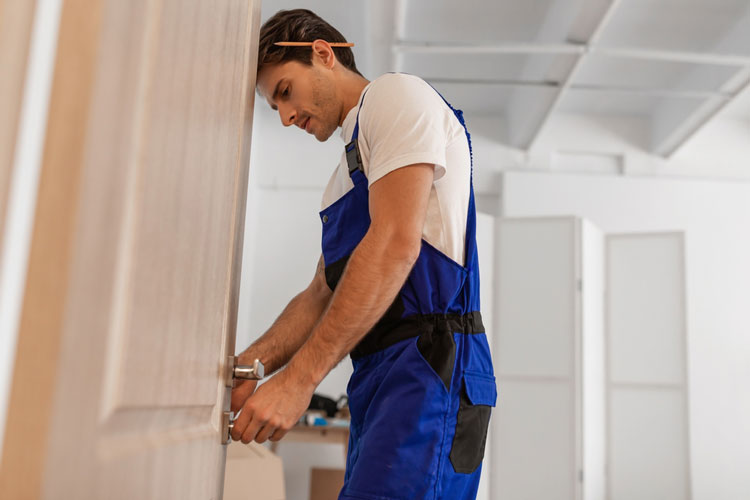
When most business owners think of locksmiths, they immediately picture lockouts, key cutting, or high-security upgrades. But there’s another critical service professional locksmiths can offer—helping businesses meet ADA (Americans with Disabilities Act) compliance, especially when it comes to doors, locks, and access points. Ignoring ADA compliance isn’t just a risk to your customers—it’s a legal and financial liability. And for many businesses, non-compliance starts at the front door. Understanding ADA Requirements for Doors and Locks The Americans with Disabilities Act sets standards that ensure buildings are accessible to everyone, including individuals with physical limitations. These guidelines are detailed—and for good reason. Entry and exit points must accommodate people using wheelchairs, walkers, or other assistive devices. Here are a few ADA requirements locksmiths can help you meet: Door handles must be operable with one hand and not require tight grasping, pinching, or twisting of the wrist. Locks must be mounted no higher than 48 inches from the floor. Door closers must allow a person enough time to enter or exit without rushing—usually at least 5 seconds for the door to close from a 90-degree angle. Thresholds must not exceed ½ inch in height to ensure safe rolling or walking access. Automatic door openers may be needed for heavier doors or high-traffic commercial settings. Failure to meet these standards could lead to fines, lawsuits, and lost customers—particularly in industries like retail, hospitality, healthcare, and dining. How Locksmiths Make ADA Compliance Easy Certified locksmiths with commercial experience know how to navigate ADA door hardware and compliance codes. They can assess your property and recommend practical, code-compliant upgrades that enhance accessibility without disrupting your design or workflow. Common upgrades include: Replacing non-compliant door knobs with ADA-compliant levers Installing push/pull paddles or hands-free automatic operators Adjusting or replacing door closers to ensure correct pressure and closing time Repositioning hardware that’s mounted too high or inaccessible Ensuring panic bars and emergency exits meet both ADA and fire safety codes Unlike a general contractor, a commercial locksmith focuses specifically on door hardware—so they can spot compliance issues that others might overlook. Boosting Accessibility Benefits Everyone Improving accessibility isn’t just about meeting minimum legal standards—it’s about creating a space that welcomes everyone. That includes customers with disabilities, seniors, parents with strollers, and even delivery drivers juggling boxes. Accessible entryways improve your brand reputation, expand your customer base, and reduce your risk exposure. More importantly, they send a clear message: everyone is welcome here. Need a Compliance Check? Call Oakland Park Locksmith At Oakland Park Locksmith, we understand that ADA compliance goes hand in hand with safety and customer care. Our team offers full commercial assessments and expert installations to ensure your business meets every required guideline. Whether you need door hardware adjustments, new accessible locks, or automatic openers, we’re here to help you stay compliant, secure, and inclusive. Contact Oakland Park Locksmith today to schedule your ADA door inspection—it’s a small upgrade that can make a big impact. Call 954-947-8829

Frequently Asked Questions

What type of door handle is generally ADA-compliant?

Door handles should be operable with one hand and should not require tight grasping, pinching, or twisting of the wrist. Replacing non-compliant knobs with accessible levers is one common upgrade.

How high can locks be mounted for ADA access?

Locks should be mounted no higher than 48 inches from the floor to support accessibility.

How should a commercial door closer be adjusted for accessibility?

A door closer should allow enough time for a person to enter or exit without rushing. The page states that the door should usually take at least five seconds to close from a 90-degree angle.

When might a business need an automatic door opener?

Automatic door openers may be needed for heavier doors or high-traffic commercial settings. A locksmith can also assess whether hands-free operators would be an appropriate accessibility upgrade.

Tags: ADA door hardware, business accessibility, commercial locksmith, doorway ADA-compliant, oakland park locksmith

Related Posts

keyboard_arrow_up
Call Now Button